Professional Tax Return Due Dates in Maharashtra: Monthly Vs Annual Filing Explained
Professional Tax is a necessary requirement for many businesses and employers in Maharashtra. After registering for it, you must also pay the tax and file returns on time to stay compliant. Missing a filing deadline can lead to penalties, interest, and unnecessary notices from the authorities.
Many business owners are unsure whether they need to file monthly or annually. The filing frequency depends on the applicable rules and the type of registration held by the employer. Knowing the professional tax return due date helps businesses avoid last-minute confusion and maintain smooth compliance throughout the year.
This blog explains the difference between monthly and yearly Professional Tax filing, when the due dates are, and the main compliance steps employers in Maharashtra need to follow.
What Is PTRC And Why Is It Important?
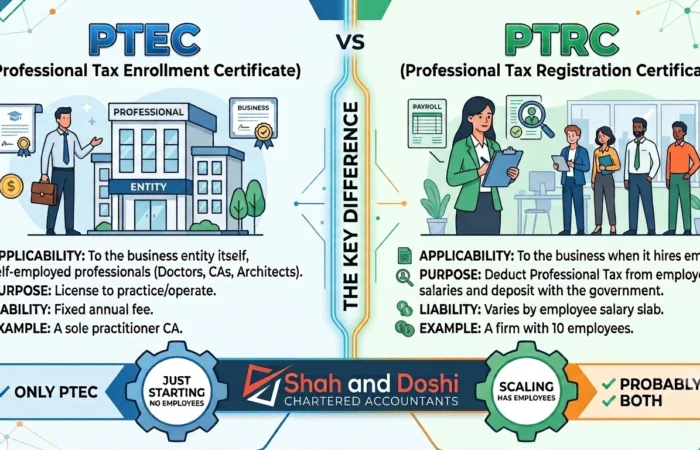
A Professional Tax Registration Certificate (PTRC) is required for employers who deduct Professional Tax from eligible employees’ salaries.
Once registered, employers are responsible for:
- Deducting Professional Tax from employees
- Depositing the collected tax with the government
- Filing Professional Tax returns within the prescribed timeline
- Maintaining proper compliance records
Keeping track of every PTRC return due date is an important part of this responsibility. Timely filing demonstrates compliance and helps businesses avoid avoidable penalties.
Along with filing returns, employers should also monitor the PTRC payment due date to ensure tax payments are made within the prescribed timelines.
Monthly And Annual Filing: What Is the Difference?
Employers often wonder if they should file returns monthly or yearly. The answer depends on the specific Professional Tax rules and the employer’s category.
Generally:
- Some employers are required to file monthly returns
- Others may qualify for annual filing based on the prescribed conditions
The due date for filing professional taxes depends on how often you file. Understanding your filing category helps ensure returns are submitted correctly and on time.
| Particular | Monthly Filing | Annual Filing |
| Who files? | Employers are required to submit returns every month based on applicable rules | Eligible employers permitted to file once a year as per prescribed conditions |
| Return Frequency | Every month | Once a year |
| Tax Payment | As per applicable timelines | As per applicable timelines |
| Return Submission | Before the applicable PTRC monthly return due date | Before the applicable PTRC annual return due date |
| Compliance Requirement | Regular monthly monitoring | Year-round record maintenance with annual filing |
When Does Monthly Filing Apply?
Businesses with regular Professional Tax deductions are generally required to file monthly returns.
Under monthly filing, employers must:
- Deduct Professional Tax from eligible employees
- Deposit the collected amount
- Submit the return before the applicable PTRC monthly return due date
Filing PTRC on time each month helps businesses stay compliant. Missing even one monthly filing can result in additional costs and compliance issues. This is why many organisations maintain a compliance calendar to track every professional tax return due date.
When Does Annual Filing Apply?
Some employers may be eligible for annual filing instead of monthly returns, subject to the applicable rules issued by the authorities.
For businesses covered under annual filing, compliance generally involves:
- Paying Professional Tax as applicable
- Maintaining accurate employee records
- Filing the annual return before the PTRC annual return due date
Although filing annually reduces the number of returns submitted during the year, employers should not assume that compliance tasks become simpler. They still need to monitor the due date for professional tax return filing and keep complete documentation throughout the year.
| Compliance Activity | Monthly Filing | Annual Filing |
| Deduct Professional Tax | ✓ | ✓ |
| Deposit Tax | ✓ | ✓ |
| Maintain Employee Records | ✓ | ✓ |
| File Return | Monthly | Annually |
| Track PTRC payment due date | ✓ | ✓ |
| Monitor professional tax return due date | ✓ | ✓ |
Regularly check if you need to file each year, since business growth or changes in employees can affect the requirements.
Why Timely Filing Should Never Be Ignored
Professional Tax compliance involves more than simply paying the tax.
Employers should ensure that:
- Tax is deducted correctly
- Payments are made before the PTRC payment due date
- Returns are filed before the applicable PTRC filing due date
- Employee records are updated regularly
- Compliance documents are safely maintained
Delays in filing may result in:
- Late filing penalties
- Interest on delayed payments
- Compliance notices
- Additional administrative work
Monitoring the tax return deadline during the year helps businesses avoid problems.
Practical Tips to Stay Compliant
Managing Professional Tax becomes much easier when businesses follow a structured compliance process.
Some useful practices include:
- Create a compliance calendar for every professional tax return filing due date
- Keep employee salary records updated
- Review Professional Tax deductions every month
- Verify payment acknowledgements after every payment
- Monitor every PTRC payment due date carefully
- File returns well before the deadline instead of waiting until the last day
- Review compliance whenever there is a change in employee strength or business structure
These simple practices help businesses maintain smooth compliance throughout the year.
Common Mistakes Employers Make
Even businesses that regularly file returns can make avoidable mistakes.
Some common examples include:
- Missing the PTRC return due date because of poor planning
- Confusing the PTRC monthly return due date with the PTRC annual return due date
- Paying Professional Tax after the PTRC payment due date
- Assuming filing is not required if no significant business changes occur
- Failing to maintain proper employee records
- Waiting until the last day to complete the filing process
Avoiding these mistakes reduces compliance risks and helps businesses maintain accurate statutory records.
How Professional Support Makes Compliance Easier
As a business grows, compliance responsibilities also increase. Managing Professional Tax involves tracking deadlines, keeping records, calculating deductions, and submitting returns accurately.
Professional guidance can help businesses:
- Understand the applicable filing frequency
- Meet every due date for professional tax return filing
- Avoid filing errors
- Stay updated with regulatory changes
- Reduce the risk of penalties and notices
Having expert support allows business owners to focus on operations while ensuring statutory compliance is managed efficiently.
Keep Your Professional Tax Compliance on Track
Understanding if your business files monthly or yearly is key to better Professional Tax compliance. Tracking all due dates for professional tax returns, PTRC filings, and payments helps avoid penalties and stay compliant. Keeping organized, accurate records, and submitting returns on time makes compliance easier. Businesses should also note the PTRC return deadline and professional tax due date in Maharashtra to ensure timely compliance.
At Shah Doshi, we help businesses simplify every aspect of Professional Tax compliance. We help employers stay on track with the PTRC return due date in Maharashtra so that returns are filed on time and compliance remains hassle-free. We also guide businesses on the applicable professional tax due date in Maharashtra, ensuring that tax payments are made within the prescribed timelines. Whether you need support with monthly or annual filings, we make sure every professional tax return filing due date is met accurately. Our team provides practical guidance and dependable compliance support, allowing you to focus on growing your business while we help you stay compliant.